
Share your email and our team will guide you through a setup tailored to how your assets should be managed.
Takes 30 seconds. No sales pressure.










Manual depreciation calculations and fragmented records increase financial risk and reporting errors. Asset Infinity centralizes depreciation data, automates calculations, and maintains complete asset value histories—so organizations stay compliant, accurate, and financially prepared.
Depreciation Calculation Reduction
Improved Financial Reporting
Better Asset Replacement Planning


.webp)




Depreciation management breaks down when calculations are inconsistent and records are incomplete.
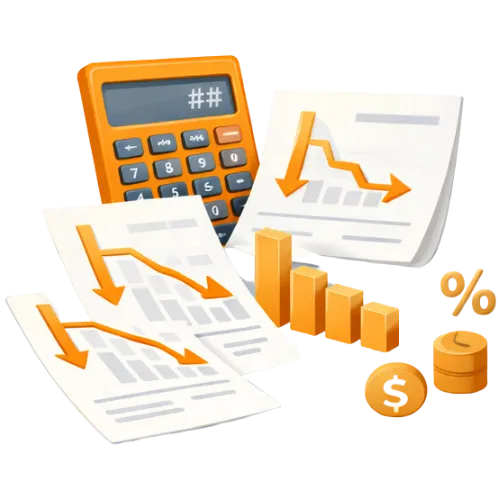
Manual depreciation tracking introduces financial inaccuracies.

Automated depreciation ensures consistency and transparency.

Depreciation management breaks down when calculations are inconsistent and records are incomplete. Asset Infinity standardizes depreciation across assets and methods, ensuring financial clarity and audit readiness.

Calculate depreciation using multiple standard and custom methods.

Allocate equal depreciation expense across an asset’s useful life.

Apply accelerated depreciation for early asset years.

Front-load depreciation for assets with higher early usage.

Depreciate assets based on usage or output levels.

Align calculations with internal policies and regional regulations.

Reduce errors in depreciation and asset valuation.

Meet accounting standards across jurisdictions.

Use depreciation data to plan upgrades and retirements.

Allocate capital based on asset lifecycle insights.

Maintain verifiable depreciation records for audits.

Support long-term planning with reliable asset value data.
Manual depreciation tracking for leased assets across multiple locations caused financial inaccuracies, poor replacement planning, and reduced profitability.
Automated depreciation management with real-time asset tracking, usage-based calculations, and data-driven replacement planning.
Support diverse accounting needs.

Understand true asset value over time.

Maintain transparent financial records.
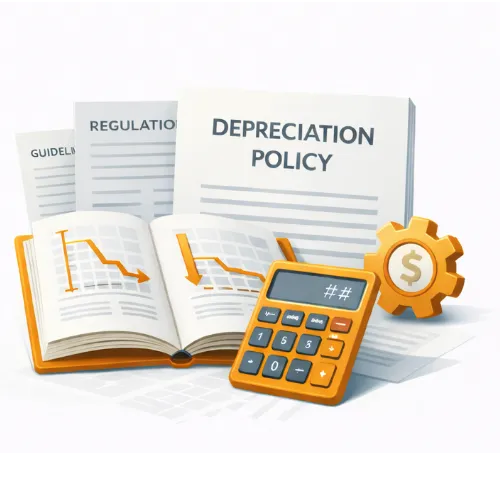
Align with internal and regional standards.
Plan upgrades with confidence.

Connect with existing finance systems.
Support diverse accounting needs.
Understand true asset value over time.
Maintain transparent financial records.
Align with internal and regional standards.
Plan upgrades with confidence.
Connect with existing finance systems.


Replace manual calculations with structured, compliant depreciation management.


Asset Infinity’s asset verification software integrates effortlessly with ERP systems (SAP, Oracle, Dynamics), IT tools (Intune), SSO platforms (Azure AD, Okta), HRMS (Zoho People), and automation tools (Zapier, Zoho Flow). With support for RFID, GPS, and barcode hardware like Zebra and Chainway, you can automate tracking, streamline audits, and maintain accurate, real-time asset data—across every department.

.webp)

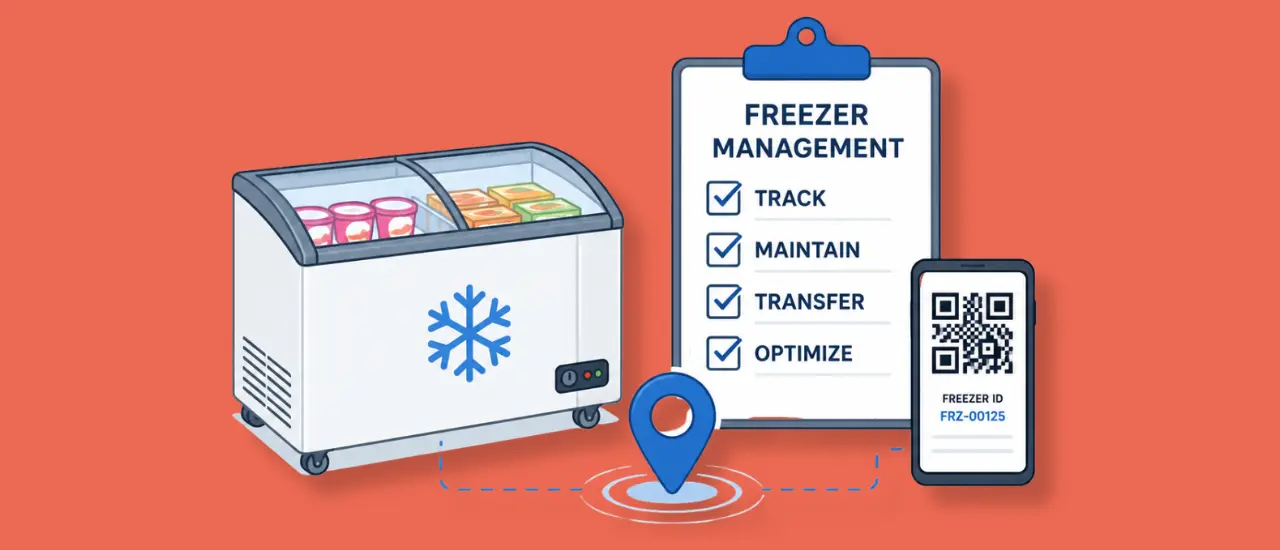
Learn how freezer management software helps food and FMCG companies track field equipment, manage maintenance, improve visibility, and reduce asset losses.
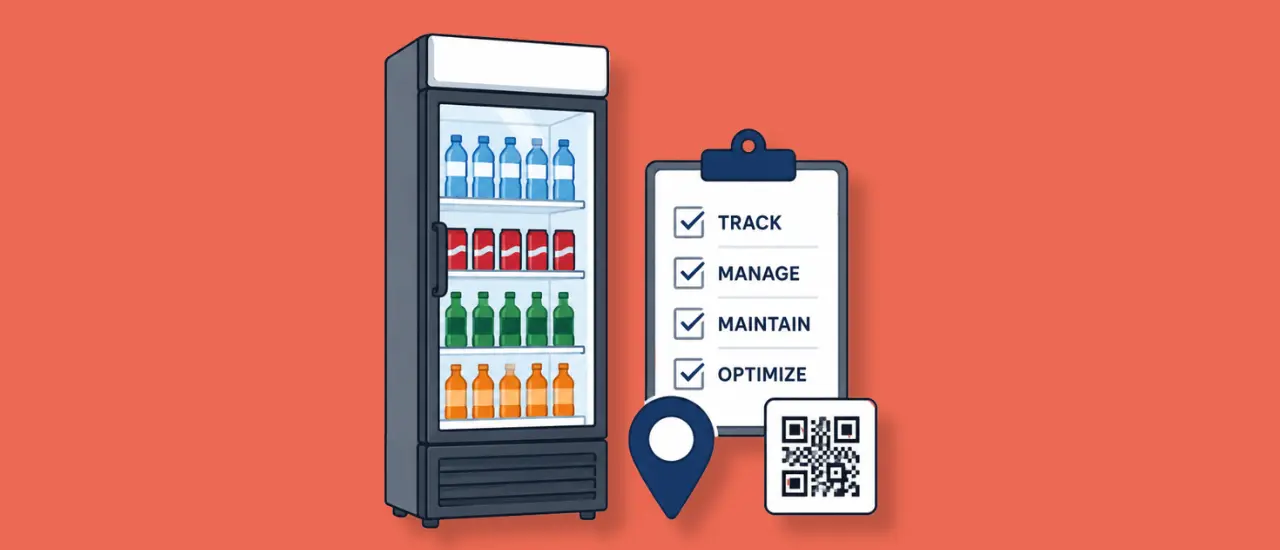
Learn how cooler management software helps beverage companies track field assets, manage maintenance, improve visibility, and optimize cooler utilization.
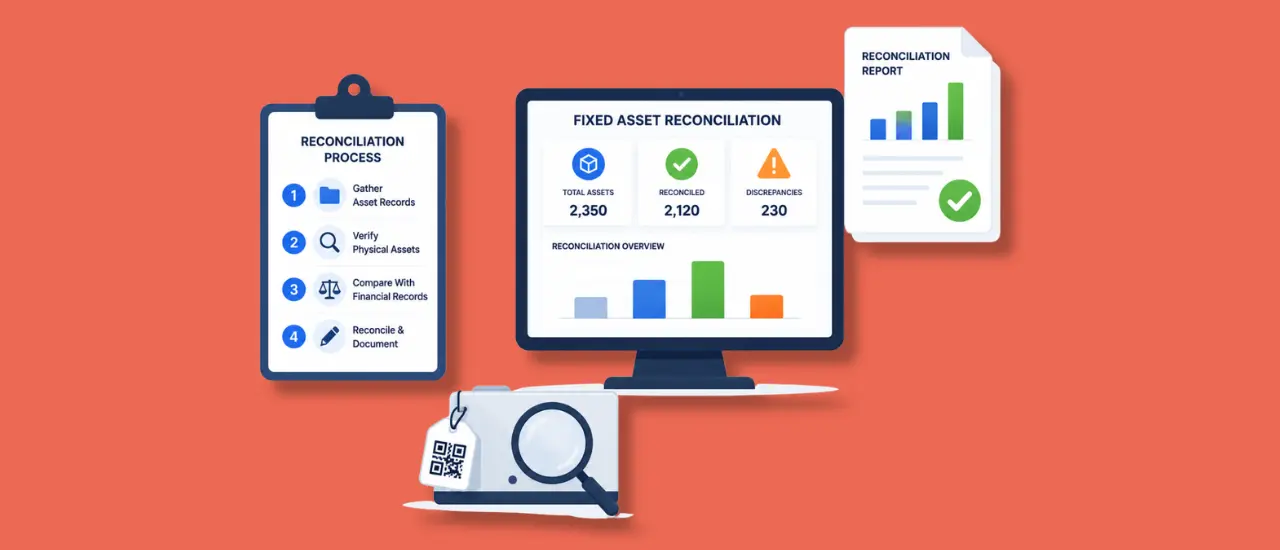
Fixed asset reconciliation helps organizations align physical assets with financial records, ensuring accurate reporting and stronger compliance. This guide explains the reconciliation process, common causes of discrepancies, best practices, and how finance teams can improve asset visibility, reduce audit risks, and maintain reliable fixed asset records across the organization.

Asset depreciation represents the reduction in asset value over time, helping businesses maintain accurate financial records and compliance.
The software automatically calculates depreciation using predefined methods such as straight-line or declining balance.
Yes, it provides transparent depreciation records and audit-ready reports for finance and compliance teams.
Yes, depreciation is tracked alongside asset acquisition, usage, maintenance, and disposal.

Absolutely. It helps finance teams plan replacements, manage budgets, and forecast long-term asset costs.
Asset Infinity's Asset Depreciation solution empowers organizations to efficiently manage and track the depreciation of their assets over time. By utilizing advanced tracking and calculation features, businesses can accurately calculate and manage asset depreciation, ensuring compliance with accounting standards and optimizing financial planning.


Seamlessly calculate asset depreciation using various methods to ensure accurate financial reporting

Provide a streamlined experience for financial teams to manage depreciation and plan for asset replacements

Utilize multiple depreciation calculation methods to adhere to different accounting regulations

Analyze depreciation data to make informed decisions about asset replacement and budget allocation

Maintain complete documentation of asset values, depreciation calculations, and financial history
.webp)
Calculate asset depreciation using the straight-line method. Allocate an equal amount of depreciation expense over the asset's useful life

Use the declining balance method to calculate depreciation. Apply a higher depreciation rate in the earlier years of an asset's life
Apply the double declining balance method to accelerate asset depreciation. Calculate depreciation as a percentage of the remaining
book value.

Calculate asset depreciation using the sum-of-the-years-digits method. Allocate more depreciation in the earlier years.
.webp)
Calculate depreciation based on asset usage or production output. Allocate depreciation based on the asset's activity level.
Utilize customizable depreciation calculation methods to align with industry-specific standards and internal policies

Adhere to different accounting regulations by using various depreciation methods based on jurisdiction requirements
Generate depreciation reports for financial reporting and compliance purposes. Ensure accurate and transparent financial records

Analyze depreciation data to plan for asset replacements. Make informed decisions about budget allocation
and timing.

Use depreciation data to optimize budget allocation for asset replacements and upgrades.

Analyze total asset lifecycle costs, including depreciation, to assess asset performance and value
.webp)
Maintain an audit trail of depreciation calculations and changes. Ensure transparency for auditing purposes.
.webp)
Utilize depreciation data for financial forecasting and analysis. Plan for future expenses and budget adjustments.

Asset Infinity integrates asset depreciation tracking with multiple calculation, streamlining depreciation management

Access up-to-date information for accurate depreciation calculations, reporting, and forecasting
Utilize customizable methods to align with accounting regulations and internal policies
Empower financial teams with accurate depreciation data for informed budget allocation and planning

Integrate with existing financial systems for consistent and accurate financial reporting
.webp)
.webp)
.webp)
.webp)






.png)

